
Can Stretch Film Be Recycled? A Practical Guide for Sustainable Packaging
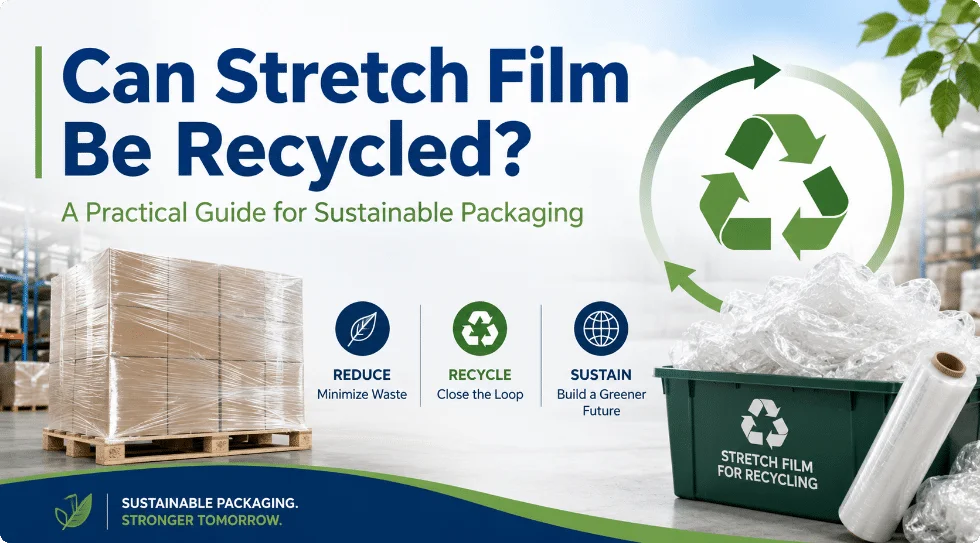
Can Stretch Film Be Recycled?
Yes, stretch film can be recycled, but it must be collected and handled correctly. Most stretch film, also called stretch wrap or pallet wrap, is commonly made from polyethylene materials such as LLDPE or LDPE. These materials can often be recycled when the film is clean, dry, and separated from other types of waste.
For warehouses, factories, logistics centers, supermarkets, and export businesses, stretch film recycling is an important step toward reducing packaging waste. Because stretch film is widely used to wrap pallets, protect cartons, stabilize goods, and prevent dust or moisture damage, large-volume users can generate a significant amount of film waste every day. Instead of sending used stretch wrap directly to landfill, companies can build a simple recycling process to collect, sort, and send it to qualified recycling partners.
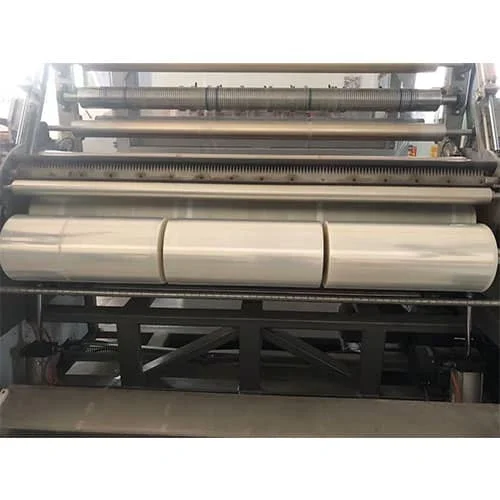
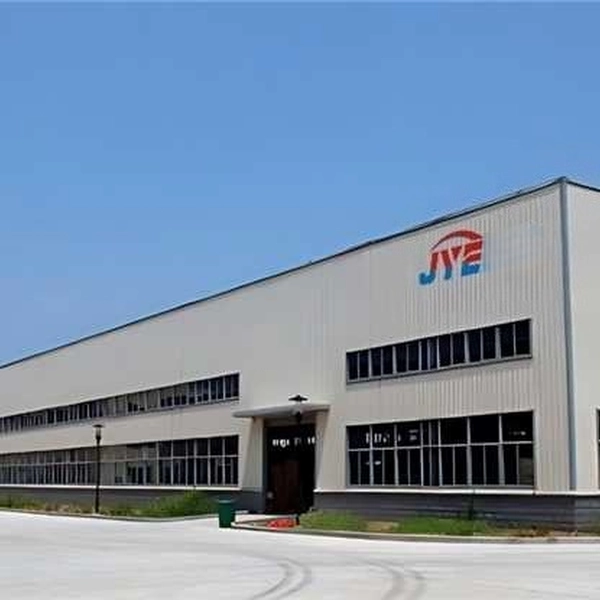
At Foshan JYE Packaging Materials Co., Ltd, we manufacture stretch film for industrial, logistics, warehousing, and export packaging needs. With a daily production capacity of around 10 tons, monthly output of around 500 tons, and annual production capacity of around 5,000 tons, we understand that packaging performance and sustainability are both important for modern businesses.
Learn more about our packaging film solutions at: JYE Stretch Wrap
What Is Stretch Film?
Stretch film is a highly stretchable plastic film used to wrap and secure products, cartons, and pallets. It is commonly used in shipping, warehousing, food and beverage distribution, furniture packaging, electronics logistics, building materials, and many other industries.
The main function of stretch film is to hold goods tightly together during storage and transportation. A good stretch film should provide strong puncture resistance, high stretchability, stable cling, and reliable load-holding force. Compared with loose packaging or unstable pallet stacking, stretch film helps reduce product movement, carton damage, dust exposure, and transportation loss.
Common types of stretch film include:
Hand stretch film for manual pallet wrapping
Machine stretch film for automatic wrapping machines
Pre-stretched film for reduced material usage
Heavy-duty stretch film for large or sharp-edged goods
Transparent stretch film for easy product identification
For businesses that care about packaging cost and waste reduction, choosing the correct film thickness, width, stretch rate, and wrapping method can reduce unnecessary plastic consumption while still maintaining pallet stability.
Is Stretch Film Environmentally Friendly?
Stretch film is not automatically environmentally friendly simply because it is plastic. However, it can become part of a more responsible packaging system when companies use it efficiently, avoid over-wrapping, and recycle it properly after use.
The environmental impact of stretch film depends on several factors:
1. Material Efficiency
High-quality stretch film can provide strong holding force with less material. If a film has good stretch performance and puncture resistance, users may need fewer layers to secure the same pallet. This helps reduce total plastic usage.
2. Recyclability
Clean and dry polyethylene stretch film is often recyclable through plastic film recycling streams. The key is that it should not be mixed with food waste, paper labels, metal clips, tape, dirt, or other contaminants.
3. Correct Collection
Used stretch film should be collected separately from general waste. Warehouses can place dedicated bins near unpacking or palletizing areas, making it easier for workers to separate film immediately after removal.
4. Supplier Quality
A reliable stretch film manufacturer can help customers choose suitable specifications instead of using unnecessarily thick film. This can reduce packaging waste and improve cost efficiency.
How to Recycle Stretch Film Correctly
To recycle stretch film successfully, businesses should follow a simple process.
Step 1: Keep the Film Clean and Dry
Recycling centers usually prefer stretch film that is free from dirt, liquid, food residue, oil, and excessive labels. Wet or contaminated film may be rejected or downgraded.
Step 2: Separate Stretch Film from Other Waste
Do not mix stretch wrap with cardboard, strapping, tape, foam, wood, metal, or general trash. Separation at the source improves recycling quality and reduces processing cost.
Step 3: Remove Large Labels and Tape Where Possible
Small labels may be unavoidable, but large paper labels, adhesive tapes, and non-plastic attachments can reduce the value of the recycled material.
Step 4: Compress or Bale the Film
For companies that use large amounts of stretch film, baling can save space and make transportation easier. A compact bale is usually more attractive to recycling partners than loose film bags.
Step 5: Work with Local Recycling Partners
Recycling rules vary by country, region, and city. Some areas accept commercial plastic film through specialized recyclers, while household recycling programs may not accept it in curbside bins. Businesses should confirm local requirements before setting up a recycling program.
Can Stretch Film Go in Regular Recycling Bins?
In many places, stretch film should not be placed in regular curbside recycling bins. Thin plastic films can tangle in sorting machines and may contaminate recycling streams if the local facility is not designed to process flexible plastics.
For commercial users, the better solution is to collect stretch film separately and send it to a recycler that accepts polyethylene film. Warehouses, factories, supermarkets, and distribution centers can often build a more efficient recycling system because they generate cleaner and larger volumes of film compared with household waste.
What Happens to Recycled Stretch Film?
After collection, stretch film is usually sorted, cleaned, shredded, melted, and processed into plastic pellets. These recycled pellets can then be used to produce new plastic products such as garbage bags, construction film, plastic lumber, pipes, containers, or other industrial plastic materials.
The quality of the recycled output depends heavily on the quality of the collected film. Clear, clean, and dry stretch film is generally more valuable than mixed, dirty, or heavily printed film.
How Businesses Can Reduce Stretch Film Waste
Recycling is important, but reducing unnecessary usage is even better. Businesses can reduce stretch film waste through better packaging management.
Choose the Right Film Thickness
Using film that is too thin may cause breakage and require more layers. Using film that is too thick may increase cost and waste. The best option depends on pallet weight, carton shape, transportation distance, and wrapping equipment.
Improve Wrapping Technique
Manual wrapping should maintain proper tension and overlap. Machine wrapping should be adjusted for correct pre-stretch ratio, film tension, and rotation speed.
Use High-Performance Stretch Film
High-performance film can offer better load stability with less material. This helps reduce total film usage while maintaining packaging safety.
Train Warehouse Staff
Simple training can reduce over-wrapping, film breakage, and incorrect disposal. Workers should know how much film is needed and where used film should be collected.
Work with a Professional Manufacturer
A professional stretch film supplier can recommend suitable film specifications based on your goods, pallet size, wrapping method, and shipping conditions.
Why Choose JYE Stretch Film?
Foshan JYE Packaging Materials Co., Ltd is a professional stretch film manufacturer located in Foshan, China. We focus on stable quality, practical packaging performance, and reliable supply for global customers.
Company Information
Company Name: Foshan JYE Packaging Materials Co., Ltd
Website: https://www.jyestretchwrap.com/
Address: No.1 Workshop Building B, Industrial Zone, Luodong Village, Shishan Town, Nanhai District, Foshan
Daily Production Capacity: Around 10 tons
Monthly Production Capacity: Around 500 tons
Annual Production Capacity: Around 5,000 tons
Our production capacity allows us to support stable bulk orders for distributors, importers, logistics companies, warehouses, factories, and packaging product wholesalers.
Whether you need hand stretch film, machine stretch film, pallet wrap, transparent stretch film, or customized packaging film, JYE Packaging can provide practical solutions based on your wrapping needs.
Explore our stretch film products here: Stretch Film Manufacturer
Conclusion: Can Stretch Film Be Recycled?
Yes, stretch film can be recycled when it is clean, dry, and properly separated. For businesses that use large amounts of pallet wrap, setting up a dedicated stretch film recycling process can reduce waste, improve warehouse management, and support more sustainable packaging operations.
At the same time, recycling should work together with smarter film selection. By choosing high-quality stretch film with suitable thickness, strength, and stretch performance, businesses can reduce unnecessary plastic usage from the beginning.
If you are looking for a reliable stretch film manufacturer with stable production capacity and practical packaging experience, Foshan JYE Packaging Materials Co., Ltd is ready to support your business.
Visit us at: JYE Packaging Materials
FAQ: Stretch Film Recycling
1. Can stretch film be recycled?
Yes. Stretch film can usually be recycled if it is clean, dry, and separated from other waste materials. It should not be mixed with food waste, paper, metal, or general trash.
2. What type of plastic is stretch film?
Most stretch film is made from polyethylene materials such as LLDPE or LDPE. These materials are commonly used for flexible plastic film applications.
3. Can I put stretch film in a curbside recycling bin?
In many areas, stretch film is not accepted in regular curbside recycling bins because flexible plastic film can cause problems in sorting equipment. It is better to check with local recycling providers or use a dedicated plastic film recycling program.
4. How should a warehouse recycle stretch film?
A warehouse should collect used stretch film in dedicated bins, keep it clean and dry, remove large labels or tapes when possible, compress or bale the film, and send it to a qualified plastic film recycler.
5. Is dirty stretch film recyclable?
Dirty or wet stretch film is much harder to recycle and may be rejected by recyclers. Clean and dry film has better recycling value.
6. What can recycled stretch film become?
Recycled stretch film can be processed into plastic pellets and used to make products such as garbage bags, construction film, plastic lumber, pipes, containers, or other industrial plastic products.
7. Does using recyclable stretch film reduce packaging cost?
It can help reduce waste management costs, especially for businesses that generate large amounts of used film. Choosing the right stretch film specification can also reduce over-wrapping and material waste.
8. Where can I buy recyclable stretch film?
You can buy high-quality stretch film from Foshan JYE Packaging Materials Co., Ltd, a professional stretch film manufacturer with around 10 tons daily production capacity and around 5,000 tons annual production capacity.
JYE Stretch Wrap is a professional supplier of stretch film, stretch wrap and packaging solutions, offering durable, eco-friendly and wholesale packaging solutions