

What Is Stretch Film Made Of? LLDPE Materials & Additives Explained | JYE
What Is Stretch Film Made Of? Materials, Additives, Manufacturing Methods, and Buying Considerations
Stretch film is widely used for pallet wrapping, logistics, and industrial packaging. Understanding its composition can help you make better purchasing decisions and select the right thickness, stretch ratio, and film type for your specific application.
This article explains the core raw materials, key additives, manufacturing methods, and how material composition affects real-world performance.
Core Material: LLDPE (Linear Low-Density Polyethylene)
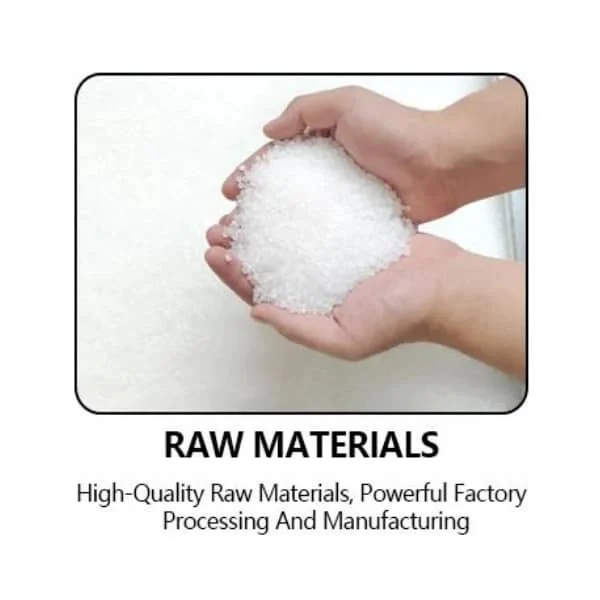
The main raw material used to manufacture stretch film is LLDPE, or linear low-density polyethylene. This polymer is the foundation of nearly all modern stretch wrapping films, from lightweight hand rolls to heavy-duty machine films.
LLDPE is a petrochemical product made from ethylene and comonomers such as butene, hexene, or octene. Its molecular structure features a linear backbone with short, uniform side branches. This structure gives LLDPE several important performance advantages:
- High tensile strength, helping the film resist tearing under load
- Excellent elongation, allowing the film to stretch to 200%–300% of its original length without breaking
- Strong puncture resistance, making it suitable for sharp edges and irregular loads
- Natural cling, allowing film layers to adhere to each other without the need for adhesive
Compared with standard low-density polyethylene (LDPE), LLDPE provides significantly better mechanical performance at the same or even lower film thickness. For this reason, the packaging industry has adopted LLDPE as the preferred base material for stretch film.
LLDPE Grades Used in Stretch Film
Not all LLDPE grades are the same. Manufacturers blend different grades of LLDPE depending on the intended application of the film.
| LLDPE Grade | Comonomer | Key Characteristics |
|---|---|---|
| C4-LLDPE | Butene | Cost-effective, standard performance |
| C6-LLDPE | Hexene | Better clarity and higher puncture resistance |
| C8-LLDPE | Octene | Excellent elasticity and premium film quality |
| Metallocene Polyethylene (PE) | — | Highest consistency and stronger downgauging potential |
Metallocene polyethylene, commonly referred to as mPE, is one of the highest-performance grades. It produces film with excellent consistency, allowing manufacturers to make thinner films while maintaining the same or better load-holding performance. This helps reduce material usage and lower the packaging cost per pallet.
At JYE, we use C4 and metallocene-grade LLDPE resins in our machine stretch films to ensure stable performance at high wrapping speeds. For hand stretch film, we balance performance and cost efficiency based on the intended application.
Secondary Base Polymers: LDPE and HDPE
Although LLDPE is the primary base resin, stretch film formulations may include small amounts of other polyethylene grades to fine-tune specific properties.
LDPE may be added to improve softness and cling. Its branched molecular structure helps enhance self-adhesion, which is useful when the film needs to grip the previous layer securely without slipping.
Small amounts of HDPE, or high-density polyethylene, may be used to improve stiffness and tensile strength. However, HDPE can reduce cling and flexibility, so it is generally used in limited quantities, mainly in specialty films designed for heavy loads or sharp-edged products.
In most commercial stretch films, LLDPE accounts for approximately 85%–95% of the base resin blend. The remaining proportion is adjusted according to application requirements.
Performance Additives in Stretch Film
Pure LLDPE can be used to produce functional stretch film, but manufacturers often add performance additives to meet specific industry needs. These additives are blended with the resin before extrusion and directly influence the film’s performance during actual use.
1. Cling Additives
Cling additives are among the most important components in many stretch film formulations. They enhance the film’s self-cling properties, allowing multiple layers to grip each other securely.
Without sufficient cling, a wrapped pallet may loosen during transportation. Polyisobutylene, or PIB, is one of the most commonly used cling additives in stretch film production.
2. UV Stabilizers
For outdoor storage or transportation in environments with strong ultraviolet exposure, UV stabilizers may be added to prevent the LLDPE polymer from degrading under sunlight.
Without UV protection, stretch film may become brittle and lose tensile strength after extended outdoor exposure.
3. Antistatic Additives
Electronics, automotive components, and other sensitive products may require antistatic stretch film.
Antistatic additives help reduce surface charge and prevent static electricity buildup, lowering the risk of damage during packaging and unpacking.
4. Slip Agents and Antiblocking Agents
These additives control the interaction between film layers and between the film and wrapping equipment.
Slip agents reduce friction between the film and machine surfaces, helping the film unwind smoothly and consistently at high speeds.
Antiblocking agents prevent adjacent film layers from sticking together permanently on the roll.
5. Colorants and Pigments
Standard stretch film is usually transparent or slightly milky in appearance.
Black stretch film is widely used in logistics to conceal high-value cargo and reduce the risk of theft.
Colored stretch films, including blue, red, and green, are used for inventory management, allowing warehouse teams to identify and sort pallets visually by product type, destination, or date.
6. Recycled LLDPE Content
As sustainability requirements continue to increase in import markets, especially in the European Union and the United Kingdom, some stretch film products are being made with post-consumer recycled LLDPE.
These films help reduce the use of virgin plastic while maintaining the performance required for standard pallet-wrapping applications.
How Stretch Film Is Manufactured
Understanding the manufacturing process helps explain why different films perform differently in use. There are two main extrusion methods: cast film extrusion and blown film extrusion.
Cast Film Extrusion
In cast film extrusion, molten LLDPE is pushed through a flat die and spread onto a chilled roller.
The rapid cooling process locks in the film properties and typically produces film with the following characteristics:
- High optical clarity
- Quiet unwinding
- Uniform thickness
- Better suitability for machine wrapping
The majority of commercial stretch films, including all JYE hand and machine stretch films, are produced using the cast extrusion process.
This method allows for tighter thickness tolerances and higher production-line speeds, helping ensure consistent quality in large-volume production.
Blown Film Extrusion
In blown film extrusion, molten plastic is pushed through a circular die and inflated into a bubble. As the bubble rises and cools, it collapses into a flat film.
Blown stretch film typically offers:
- Higher puncture resistance due to biaxial orientation
- Stronger film memory, allowing the film to recover after stretching
- Lower clarity compared with cast film
- Louder unwinding noise
Blown stretch film is less common today, but it remains a preferred choice for applications where puncture resistance is the top priority, such as wrapping sharp metal components or rough timber loads.
What This Means When Buying Stretch Film
Material composition directly affects film performance and the total cost per pallet.
Here are the main points to check when purchasing stretch film.
Film Thickness
Standard applications typically use film in the range of 15–25 microns.
Thinner films made with metallocene LLDPE, such as 15–17 micron films, may outperform thicker standard films in the 20–23 micron range while reducing the cost per pallet.
Always ask about the resin grade, not just the film thickness.
Elongation at Break
Elongation at break indicates how far the film can stretch before tearing.
High-quality machine stretch film should typically achieve an elongation at break of approximately 250%–350%.
Lower values may indicate lower-grade resin or an inconsistent manufacturing process.
Cling Performance
Cling is essential for load security.
Film with insufficient cling, often associated with low PIB content, may loosen or unwind during transportation.
Before placing a bulk order, request a cling test report or product samples.
Certifications
For food-related applications, confirm that the film complies with applicable U.S. FDA requirements or EU food-contact regulations.
For certain industrial or regulated applications, REACH and RoHS compliance documents may also be required.
Summary
Stretch film is primarily made from linear low-density polyethylene, or LLDPE. It may also be blended with LDPE to improve cling and softness, along with functional additives such as cling agents, UV stabilizers, antistatic additives, slip agents, and colorants.
The manufacturing method, whether cast or blown extrusion, further affects the film’s clarity, consistency, puncture resistance, and mechanical performance.
When sourcing stretch film from a manufacturer, understanding these material fundamentals can help you evaluate specifications, compare suppliers, and select the right product for your packaging operation.
JYE Packaging manufactures LLDPE hand stretch film, machine stretch film, and pallet wrapping film for importers and distributors worldwide.
All films are produced using quality-verified resins, and complete technical specification documents are available upon request.