

Virgin LLDPE vs Recycled Stretch Film: Which One Should You Choose?
Introduction
When sourcing stretch film, buyers often face one key question:
Should I choose 100% virgin LLDPE stretch film or recycled stretch film?
Although recycled stretch film usually offers a lower purchase price, virgin stretch film LLDPE provides better load stability, puncture resistance, and wrapping consistency. The best choice depends on your products, transportation distance, and total packaging cost—not simply the film price.
In this guide, we’ll compare both materials using real production data, application scenarios, and customer cases from JYE Packaging.
Products → https://www.jyestretchfilm.com/stretch-film/
What is Virgin LLDPE Stretch Film?
- 100% Linear Low Density Polyethylene
- Multi-layer co-extrusion
- High transparency
- Excellent elongation
- Stable cling
- Consistent thickness
| Property | JYE Virgin LLDPE Film |
| Material | 100% Virgin LLDPE |
| Thickness | 12–35 μm |
| Width | 450–500 mm |
| Stretch Ratio | up to 300% |
| Cling | High |
| Transparency | Excellent |
What is Recycled Stretch Film?
- Post Industrial Resin
- Post Consumer Resin
Advantages
- Lower cost
- Reduced carbon footprint
Disadvantages
- Lower puncture resistance
- Lower stretchability
- Inconsistent thickness
- Color variation
Virgin vs Recycled Stretch Film Comparison
| Feature | Virgin LLDPE | Recycled |
| Strength | ⭐⭐⭐⭐⭐ | ⭐⭐⭐ |
| Stretchability | 300% | 150–220% |
| Puncture Resistance | Excellent | Medium |
| Transparency | High | Low |
| Cling | Stable | Variable |
| Food Contact | Available | Usually No |
| Recyclability | Yes | Yes |
| Cost | Higher | Lower |
Laboratory Performance Comparison
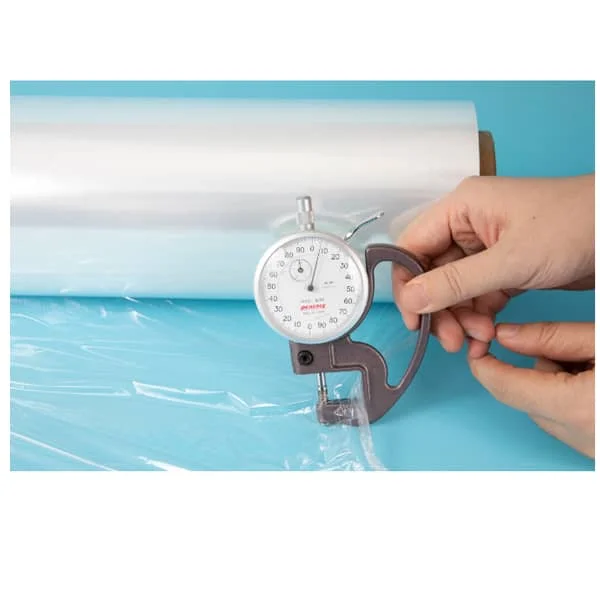
Thickness Test
| Test Item | Test Method | Unit | JYE Result |
|---|---|---|---|
| Nominal thickness | Product specification | μm | good |
| Average thickness | Multi-point measurement | μm | good |
| Minimum thickness | Multi-point measurement | μm | good |
| Maximum thickness | Multi-point measurement | μm | good |
| Thickness range | Max − Min | μm | good |
| Average deviation | Compared with nominal value | % | good |
| Cross-direction uniformity | Left, center and right measurements | %或μm | good |
| Machine-direction uniformity | Beginning, middle and end samples | %或μm | good |
| Tolerance compliance | JYE/customer specification | Pass/Fail | good |
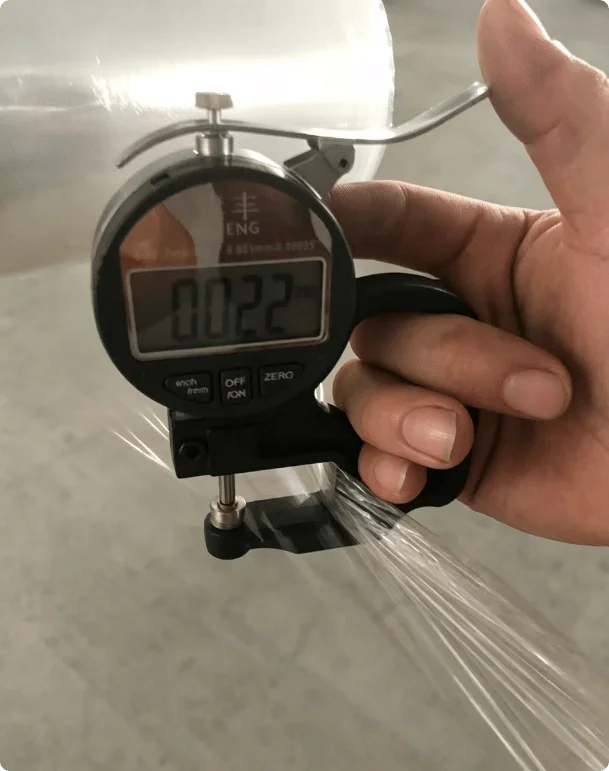
Tensile Test
Virgin
300%
Recycled
185%
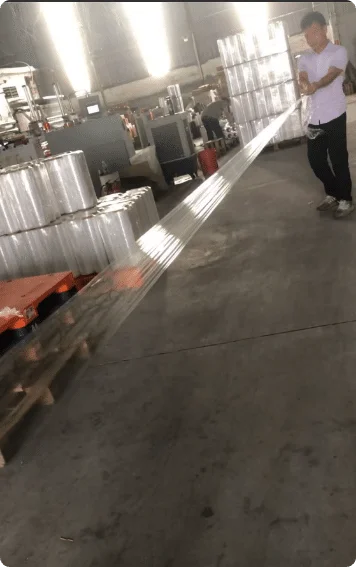
Load Holding Test
1000kg pallet
48 hours
Virgin
No deformation
Recycled
Edge tearing observed
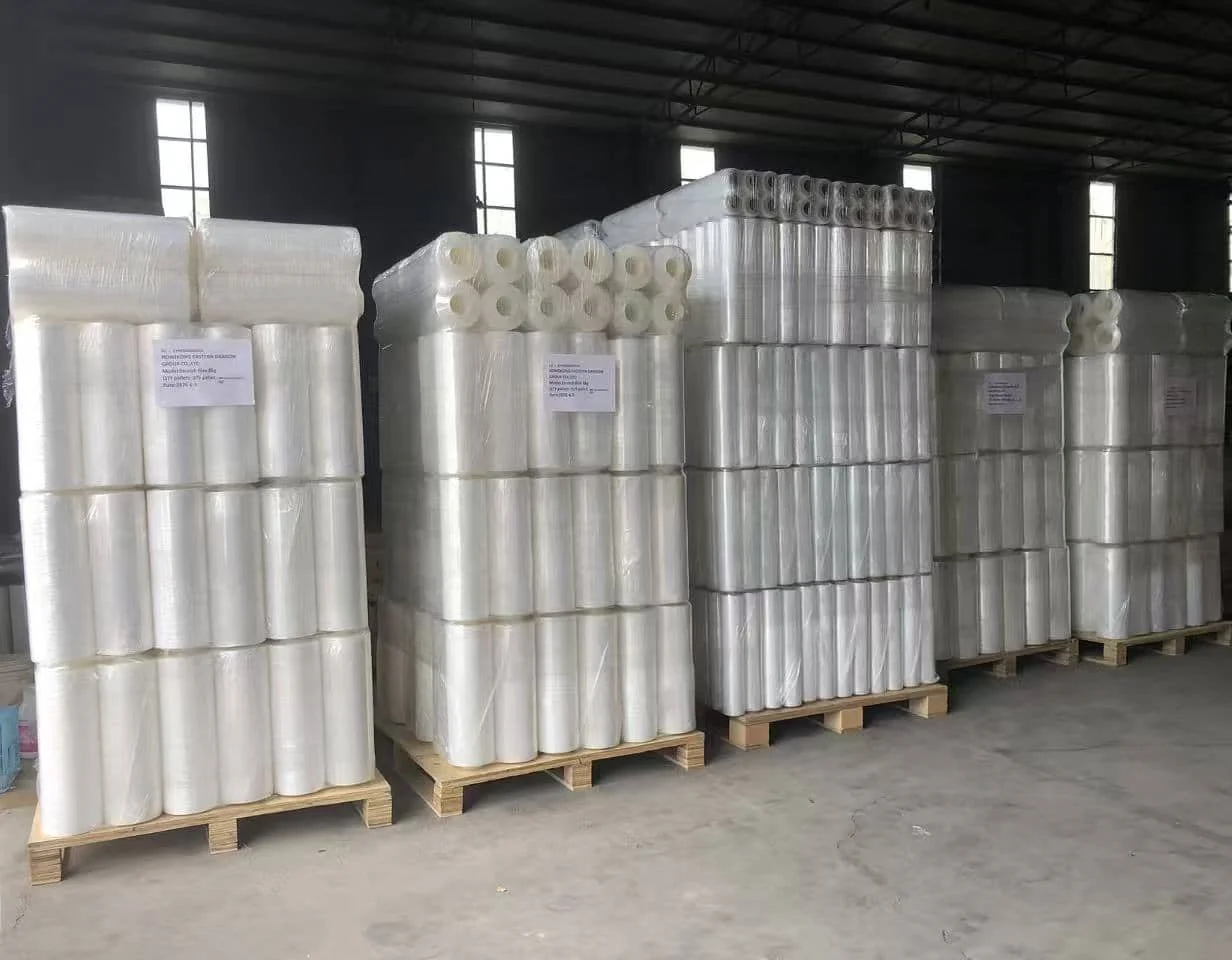
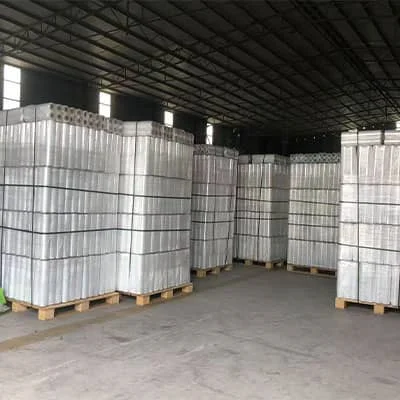
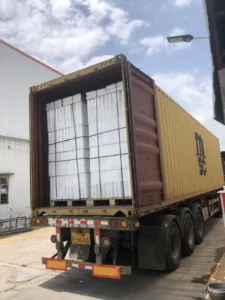
Real Customer Case Study1
Customer:WALA Sp. z o.o.
European packaging goods importer
1*20GP container
Export to Europe and America
Shipping time about 35days
JYE solution:20μ Virgin LLDPE
Result
1. Film consumption reduced by 18%
Damage rate reduced by 42%
✔ Wrapping speed increased by 25%
Customer Case Study 2
KCNX CO.,LTD
Machine stretch film
500 pallets
Change to JYE Machine Stretch Film
Save 20% packaging cost every month
Main Application Scenarios
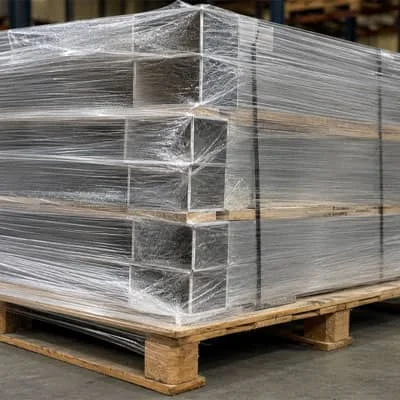
Logistics
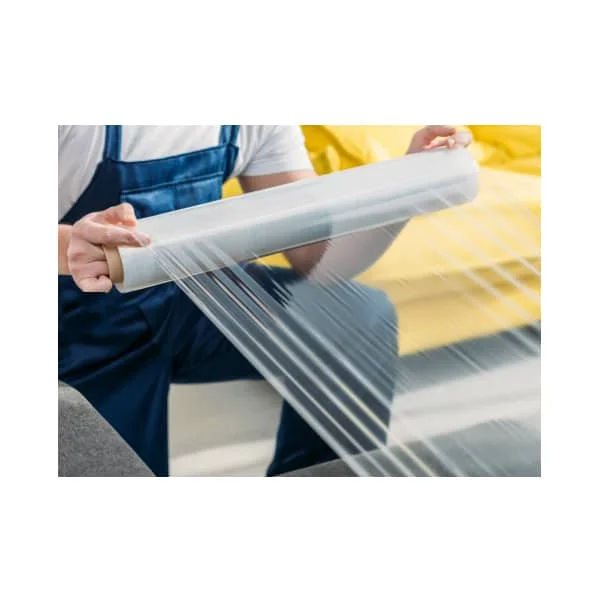
Furniture
When Should You Choose Virgin Stretch Film?
1. Export
2. High-value products
3.Heavy pallets
4. Long-distance transportation
5. Automatic wrapping
When Recycled Stretch Film May Be Enough
1. Local delivery
2. Low-value products
3. Short-term storage
4.Internal warehouse transfer
Cost Comparison
| Virgin | Recycled | |
| Roll Price | Higher | Lower |
| Film Usage | Lower | Higher |
| Breakage | Low | High |
| Labor | Low | Higher |
| Total Cost | Lower | Higher |
Why Many Global Buyers Choose JYE
- 100% Virgin LLDPE Resin
- Advanced Cast Film Lines
- Consistent Thickness
- OEM Service
- SGS / ROHS
- Monthly Capacity
- Custom Width
- Custom Thickness
Web: https://www.jyestretchwrap.com/
FAQ
1. Is virgin stretch film stronger than recycled stretch film?
Virgin stretch film provides higher tensile strength, puncture resistance and load-holding performance than recycled stretch film. Virgin LLDPE resin has more consistent molecular properties, allowing the film to stretch evenly and maintain stable tension around a pallet. Recycled stretch film can still perform well, but its strength may vary depending on the percentage and quality of recycled material used.
2. Is recycled stretch film recyclable?
Yes. Recycled stretch film is generally recyclable where suitable polyethylene film recycling facilities are available. However, the film should be clean, dry and separated from labels, tape and other materials before recycling. Local recycling requirements should always be checked because collection systems differ by region.
3. Which stretch film is cheaper?
Recycled stretch film usually has a lower price per kilogram or per roll. However, the lowest purchase price does not always result in the lowest packaging cost. Virgin stretch film may require less material per pallet because of its higher stretch ratio, better puncture resistance and lower breakage rate. Buyers should compare film consumption, labor, downtime and product-damage risk rather than roll price alone.
4. Can recycled stretch film be used for export packaging?
Yes, recycled stretch film can be used for some export applications, especially for stable, lightweight or regularly shaped pallet loads. For heavy goods, sharp-edged products, long-distance shipping or high-value cargo, virgin LLDPE stretch film is often the safer option because it normally provides more consistent strength and load retention. Export packaging should be tested under actual transport conditions before full-scale use.
5. How much can virgin stretch film stretch?
The achievable stretch ratio depends on the film formulation, thickness, production process and wrapping equipment. Standard hand stretch film usually has a lower working stretch ratio than high-performance machine stretch film. Some machine-grade virgin stretch films can achieve high pre-stretch levels, but the exact value should be confirmed using the manufacturer’s verified test data and the customer’s wrapping conditions,JYE stretch is 150%-300%
6. Does recycled stretch film tear more easily?
Recycled stretch film may be more likely to tear when exposed to sharp corners, uneven loads or excessive stretching, particularly when the recycled content is inconsistent. High-quality recycled film can still provide reliable performance for suitable applications. Edge strength, puncture resistance, thickness uniformity and recycled-resin quality are more important than recycled content alone.
7. Which film has better cling?
Virgin LLDPE stretch film generally provides more consistent cling because its resin formulation and additive distribution are easier to control. Recycled stretch film can also offer good cling, but performance may vary between production batches. The correct cling level depends on the application, as excessive cling can make handling difficult while insufficient cling can cause the film tail to loosen.
8. Which stretch film is more sustainable?
The answer depends on how sustainability is measured. Recycled stretch film reduces demand for virgin resin and helps reuse existing plastic material. Virgin high-performance stretch film may achieve better downgauging, lower film consumption and fewer damaged loads. The most sustainable solution is often the film that uses the least material while safely completing the packaging and transportation cycle.
9. Is virgin stretch film always better than recycled stretch film?
No. Virgin stretch film is usually preferred for demanding applications, but recycled stretch film may be sufficient for internal warehouse transfers, short-distance delivery and stable pallet loads. The correct choice depends on load weight, pallet shape, transport distance, wrapping equipment and packaging-cost targets.
10. What is the best stretch film for heavy pallets?
Heavy pallets generally require stretch film with high puncture resistance, strong load retention and consistent thickness. Virgin machine stretch film is commonly selected for heavy or unstable loads, especially when used with automatic wrapping equipment. The final choice should be confirmed through pallet-wrapping and load-stability tests,goos stretch of JYE machine stretch film
11. Can recycled stretch film be used for sharp-edged products?
It can be used, but careful testing is necessary. Sharp corners increase the risk of puncture and edge tearing. Corner protectors, additional wrapping layers or a higher-performance film may be required. For tiles, metal parts, timber and other sharp-edged products, virgin stretch film is often more reliable.
14. What is the difference between hand stretch film and machine stretch film?
Hand stretch film is designed for manual application and is usually supplied in smaller, lighter rolls. Machine stretch film is engineered for automatic or semi-automatic pallet wrappers and normally offers greater roll length, controlled stretch performance and more consistent wrapping efficiency. The two products should not be considered interchangeable without testing.
15. How should buyers compare virgin and recycled stretch film?
Buyers should compare more than thickness and price. Important factors include tensile strength, elongation, puncture resistance, cling, thickness uniformity, load retention, film consumption per pallet and wrapping-machine compatibility. A controlled packaging trial provides a more reliable comparison than technical specifications alone.