
Hand vs Machine Stretch Film: Which One Is Right for Your Packaging Operation?
When businesses compare hand vs machine stretch film, they are usually trying to solve a practical packaging question: should pallets be wrapped manually by workers, or should the company use a stretch wrapping machine?
Both hand stretch film and machine stretch film are widely used in warehousing, logistics, manufacturing, distribution centers, export packaging, and industrial pallet wrapping. They may look similar, but they are designed for different application methods. Hand stretch film is made for manual wrapping, while machine stretch film is designed for automatic or semi-automatic stretch wrapping equipment.
Choosing the wrong type of film can lead to film breakage, unstable pallets, wasted material, higher labor costs, and even product damage during transportation. Choosing the right stretch film helps improve load security, reduce packaging waste, and create a more efficient warehouse operation.
This guide explains the key differences between hand stretch film and machine stretch film, when to use each one, and how to select the right film for your packaging needs. Choosing between hand vs machine stretch film is important for warehouses, manufacturers, and logistics companies that need stable pallet wrapping.
What Is Hand Stretch Film?
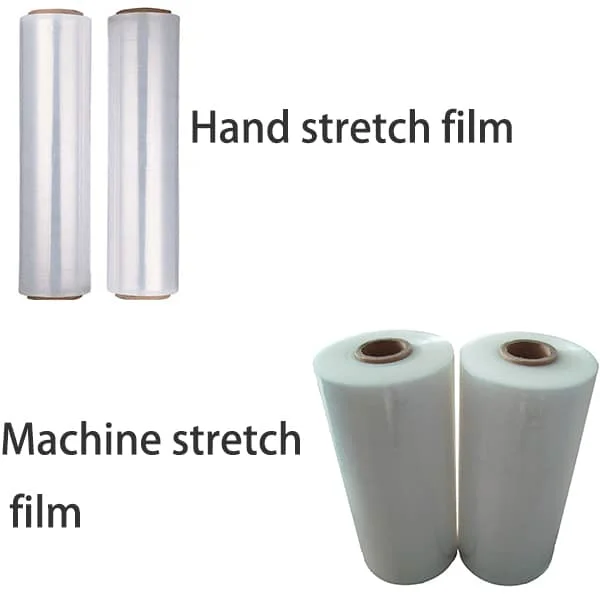
Hand stretch film, also called manual stretch film or hand stretch wrap, is applied by workers without a pallet wrapping machine. It is usually used with a handheld dispenser, extended core handle, or manual stretch film tool.
This type of film is suitable for small and medium packaging operations, low-volume pallet wrapping, irregular loads, moving jobs, warehouse storage, and businesses that need flexible packaging without investing in machinery.
Hand stretch film is easy to use and can be applied almost anywhere. Workers can quickly wrap pallets, cartons, furniture, pipes, small bundles, and irregular-shaped goods. For companies that do not wrap a high number of pallets every day, hand stretch film is often the most practical and economical starting point.
Common hand stretch film applications include:
Small warehouse pallet wrapping
Retail stockroom packaging
Moving and storage protection
Bundling small products
Wrapping irregular loads
Temporary shipment protection
Low-volume export packaging
Manual logistics operations
The main advantage of hand stretch film is flexibility. It does not require machines, electricity, or complicated setup. However, because it depends heavily on worker skill, the wrapping tension and film usage may vary from pallet to pallet.
What Is Machine Stretch Film?
Machine stretch film is designed for use with stretch wrapping machines. These machines may be semi-automatic or fully automatic, depending on the packaging line and production volume.
Machine stretch film is commonly used in medium and high-volume operations where companies need faster wrapping speed, more consistent tension, better load containment, and lower labor intensity. It is widely used in manufacturing plants, logistics centers, beverage factories, food distribution warehouses, e-commerce fulfillment centers, and export packaging operations.
Unlike hand stretch film, machine stretch film must match the machine’s pre-stretch system, roll size, film thickness, puncture resistance, and load-holding requirements. Good machine stretch film should run smoothly, stretch consistently, resist breakage, and maintain stable cling during high-speed wrapping.
Common machine stretch film applications include:
Automatic pallet wrapping
Semi-automatic turntable wrapping
High-volume warehouse packaging
Production line palletizing
Export shipment preparation
Food and beverage logistics
Industrial goods packaging
Distribution center operations
Machine stretch film can help businesses improve packaging consistency. It also reduces the physical workload of manual wrapping and can help control the amount of film used per pallet.
Hand vs Machine Stretch Film: Key Differences
1. Application Method
The biggest difference is the application method.
Hand stretch film is applied manually by workers. It is suitable for flexible, small-scale, and low-volume packaging tasks. The worker controls the film tension, overlap, and number of wrapping layers.
Machine stretch film is applied by a stretch wrapping machine. The machine controls film tension, pre-stretch level, wrapping pattern, and consistency. This makes it more suitable for repeated pallet wrapping and higher daily output.
2. Packaging Speed
Hand wrapping is usually slower because each pallet depends on the worker’s speed and experience. It can work well for occasional packaging, but it may become inefficient when pallet volume increases.
Machine wrapping is faster and more consistent. A stretch wrapping machine can wrap pallets continuously with less manual effort. For companies that ship many pallets every day, machine stretch film can help improve overall warehouse productivity.
3. Load Stability
Hand stretch film can provide good load stability when applied correctly. However, manual wrapping may produce uneven tension. Some pallets may be wrapped too loosely, while others may use too much film.
Machine stretch film usually provides more consistent containment force. The machine applies controlled tension around the pallet, helping reduce load shifting, film tails, and unstable packaging. This is especially important for long-distance transport, export shipments, and stacked warehouse storage.
4. Film Consumption
With hand wrapping, film usage often varies between workers. Some workers may use extra layers to feel safer, while others may not apply enough tension. This can increase film waste or reduce pallet security.
Machine wrapping can control film stretch and wrapping cycles more accurately. When the correct film and machine settings are used, businesses may reduce unnecessary film usage and improve packaging consistency.
5. Labor and Ergonomics
Hand wrapping requires workers to walk around the pallet, bend down, pull film, and apply tension manually. For frequent pallet wrapping, this can be tiring and may increase the risk of strain or fatigue.
Machine wrapping reduces manual labor. Workers only need to place the pallet, attach the film, start the machine, and remove the finished load, depending on the machine type. For high-volume operations, this can improve safety and reduce operator fatigue.
6. Initial Investment
Hand stretch film requires little initial investment. A company can begin wrapping pallets with only film rolls and a simple dispenser. This makes it attractive for small businesses and low-volume operations.
Machine stretch film requires a wrapping machine, so the initial investment is higher. However, for businesses with regular pallet volume, the machine may improve speed, consistency, safety, and long-term packaging efficiency.
7. Suitable Load Types
Hand stretch film is useful for irregular pallets, small batches, flexible warehouse tasks, and occasional packaging. It allows workers to adjust the wrapping process based on the shape of the load.
Machine stretch film is more suitable for repeated and standardized pallet loads. It performs best when pallets are similar in size, weight, and wrapping requirements. However, with the right machine and settings, machine stretch film can also handle many industrial packaging applications. The main difference in hand vs machine stretch film is the wrapping method: one is applied manually, while the other is used with stretch wrapping equipment.
Quick Comparison Table
| Feature | Hand Stretch Film | Machine Stretch Film |
| Application | Manual wrapping | Machine wrapping |
| Best for | Low-volume, flexible tasks | Medium to high-volume operations |
| Equipment needed | Dispenser or manual tool | Stretch wrapping machine |
| Speed | Slower | Faster |
| Load stability | Depends on operator skill | More consistent |
| Film usage | Can vary by worker | Easier to control |
| Labor intensity | Higher | Lower |
| Initial investment | Low | Higher |
| Suitable users | Small warehouses, moving, retail, small batches | Factories, logistics centers, production lines |
When Should You Choose Hand Stretch Film?
Hand stretch film is a good choice when your business wraps a small number of pallets, handles different load shapes, or needs flexible packaging in different locations.
You should consider hand stretch film if:
You do not have a stretch wrapping machine
Your pallet wrapping volume is low
Your loads are irregular or change frequently
Your warehouse space is limited
You need a low-cost packaging solution
You wrap goods in different areas of the warehouse
You need film for moving, storage, or temporary protection
Hand stretch film is also useful as a backup solution. Even companies with wrapping machines may keep hand stretch film for urgent jobs, damaged pallets, special items, or off-line packaging tasks.
When Should You Choose Machine Stretch Film?
Machine stretch film is the better choice when your business wraps pallets every day and needs stable, repeatable packaging performance.
You should consider machine stretch film if:
You wrap many pallets per day
You need consistent load containment
You want to reduce manual labor
You need faster packaging speed
You want better control of film usage
Your pallets are similar in size and shape
You use semi-automatic or automatic wrapping machines
You ship goods over long distances or export markets
Machine stretch film is especially valuable for manufacturers, logistics companies, large warehouses, food and beverage distributors, and industrial suppliers that require reliable pallet packaging every day.
Customer Case: Matching Film Type with Packaging Needs Of Foshan JYE Packaging Materials Co., Ltd
A warehouse and logistics customer was using manual stretch film for all pallet wrapping tasks. The operation included both small mixed pallets and regular outbound pallets. For small batches and irregular loads, manual wrapping was flexible and convenient. However, for repeated daily shipments, the customer noticed several problems: wrapping quality depended on worker experience, film usage was not consistent, and some pallets needed rewrapping before loading.
Instead of recommending one film for every job, Foshan JYE Packaging Materials Co., Ltd. suggested separating the packaging process into two parts. Hand stretch film was kept for small batches, irregular pallets, repair wrapping, and flexible warehouse tasks. Machine stretch film was recommended for regular outbound pallets that required consistent wrapping quality and better load stability.
This approach helped the customer choose film based on real operating conditions rather than using one material for every packaging task. Hand stretch film supported flexibility, while machine stretch film supported consistency and efficiency.
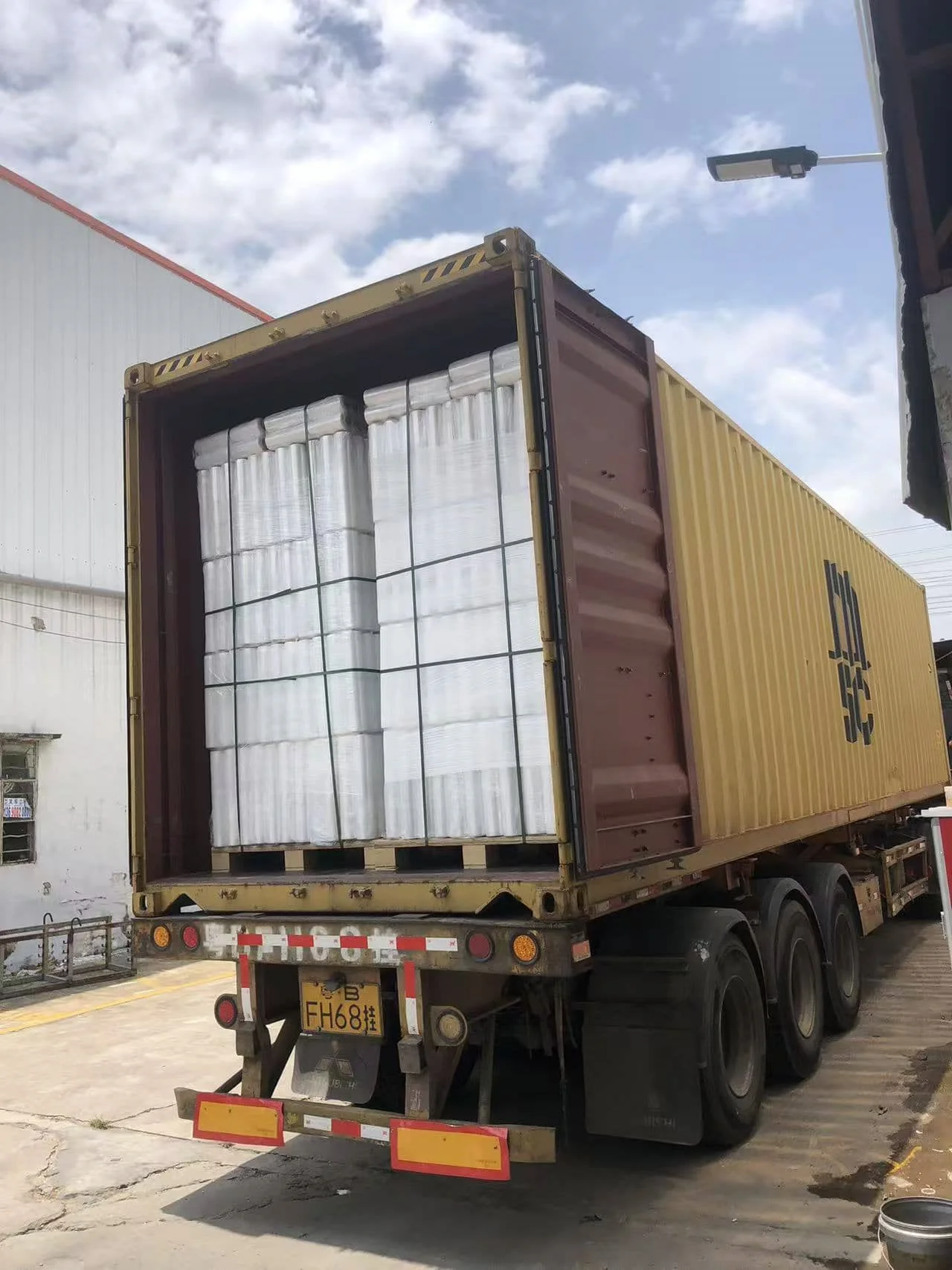
For B2B buyers, supplier reliability is also important because stretch film is a high-frequency consumable. According to public company information, Foshan JYE Packaging Materials Co., Ltd. is located in Foshan, Guangdong, China, and specializes in PE stretch film solutions, including hand stretch film, machine stretch film, pre-stretched film, pallet wrap, and customized packaging films. The company has over 10 years of experience in stretch film manufacturing, a production facility of approximately 10,000 square meters, more than 50 employees, two cast stretch film production lines, 24-hour continuous production capability, export coverage to more than 50 countries, long-term cooperation with over 200 clients, and monthly output of up to 500 tons.
For customers comparing hand vs machine stretch film, this type of production capacity is meaningful. It means the supplier can support both manual wrapping needs and machine wrapping requirements, while also providing stable supply for repeat orders and customized specifications.
The key lesson from this case is simple: hand stretch film and machine stretch film should not compete with each other. They should be used in the right place. Hand film is ideal for flexibility and smaller jobs. Machine film is better for repeated pallet wrapping, stable output, and higher packaging efficiency.
How to Choose the Right Stretch Film Supplier
Choosing between hand and machine stretch film is not only about the film itself. The supplier also matters. A reliable stretch film supplier should be able to help you evaluate your load type, wrapping method, daily pallet volume, shipping distance, and cost goals.
Before buying stretch film, ask these questions:
How many pallets do you wrap per day?
Are your pallets uniform or irregular?
Do you wrap by hand or by machine?
Do you need clear film for barcode scanning?
Are the goods heavy, sharp-edged, or unstable?
Is your goal lower cost, stronger protection, or higher speed?
Do you need customized width, length, thickness, color, or packaging?
The right supplier should not simply sell the thickest or cheapest film. Instead, they should recommend a film that matches your packaging process and total cost target.
Common Mistakes to Avoid
Using Hand Film on a Machine
Hand stretch film is not designed for machine application. Using it on a stretch wrapping machine can cause breakage, poor stretch performance, and unstable wrapping.
Using Machine Film by Hand
Machine stretch film rolls are often larger and heavier than hand rolls. They are not practical for manual use and may create safety or handling problems.
Choosing Only by Price
A lower-priced film may not always reduce total packaging cost. If it breaks often, requires extra layers, or causes pallet failure, the real cost may be higher.
Ignoring Load Type
A light, uniform pallet does not need the same film as a heavy, sharp, or unstable load. Film selection should always match the product and shipping conditions.
Not Testing Samples
The best way to choose film is to test it on actual pallets. A sample test can show how the film performs in real wrapping conditions.
FAQ About Hand vs Machine Stretch Film
What is the main difference between hand stretch film and machine stretch film?
Hand stretch film is applied manually by workers, while machine stretch film is applied with automatic or semi-automatic stretch wrapping equipment.
Can hand stretch film be used on a machine?
No. Hand stretch film is designed for manual application and is not suitable for machine wrapping equipment.
Is machine stretch film more cost-effective?
For higher-volume operations, machine stretch film can be more cost-effective because it offers faster wrapping, more consistent application, and better control of film usage.
Is hand stretch film suitable for pallet wrapping?
Yes. Hand stretch film is widely used for pallet wrapping, especially in small warehouses, low-volume operations, moving, storage, and irregular packaging tasks.
Which is better for heavy pallets?
Machine stretch film is often better for repeated heavy pallet wrapping because it provides more consistent tension and load containment. However, the final choice also depends on film thickness, puncture resistance, load shape, and transport conditions.
Should my business use both hand and machine stretch film?
Many businesses use both. Hand stretch film is useful for flexible and irregular jobs, while machine stretch film is better for regular, high-volume pallet wrapping,For most businesses, the best choice between hand vs machine stretch film depends on pallet volume, load type, labor cost, and packaging efficiency.
Final Thoughts
The choice between hand vs machine stretch film depends on your packaging volume, equipment, load type, labor conditions, and cost goals.
Hand stretch film is simple, flexible, and affordable for low-volume or irregular packaging tasks. Machine stretch film is faster, more consistent, and more efficient for repeated pallet wrapping and high-volume operations.
For many businesses, the best solution is not choosing only one. A smart packaging strategy is to use hand stretch film for small, irregular, or temporary jobs, and machine stretch film for regular pallet wrapping where consistency and efficiency matter most.
If you need hand stretch film, machine stretch film, pallet stretch film, or customized stretch wrap solutions, Foshan JYE Packaging Materials Co., Ltd. can help match the right film to your packaging process and support stable supply for warehouse, logistics, manufacturing, and industrial packaging customers.