

Blown Stretch Film vs. Cast Stretch Film: What Is the Difference?
Blown vs Cast Stretch Film: 7 Important Differences You Need To Know
Blown vs cast stretch film is a common comparison for buyers who need reliable pallet wrapping materials. Although both films are used for packaging and shipping, they differ in strength, clarity, puncture resistance, cost, and suitable applications.
cast stretch film advantages、 blown stretch film disadvantages 、LLDPE pallet wrapping film
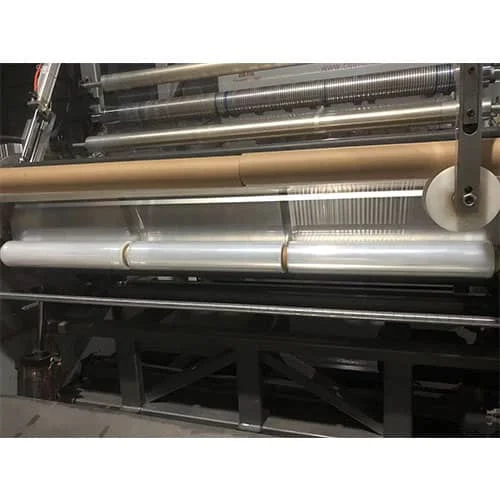
Blown vs Cast Stretch Film: Main Differences
Stretch film is the most widely used packaging materials for pallet wrapping, warehouse storage, logistics, manufacturing, and international shipping. It helps keep products together, reduces movement during transportation, protects goods from dust and moisture, and improves load stability.
However, not all stretch films are produced in the same way. When purchasing stretch wrap, customers often encounter two common options: blown hand stretch film and cast hand stretch film.
Both types are commonly made from linear low-density polyethylene, also known as LLDPE. Both can provide reliable pallet protection when properly selected and applied. However, the manufacturing processes are different, and these differences affect the film’s appearance, strength, puncture resistance, stretch performance, unwind noise, and cost.
So, what is the difference between blown stretch film and cast stretch film? Which one is better for your packaging operation?
This guide from Foshan JYE Packaging Materials Co., Ltd. explains the key differences and helps you choose a suitable stretch film for your application.
What Is Blown Stretch Film?
Blown stretch film is manufactured using a process known as blown film extrusion.
During production, melted plastic resin is extruded through a circular die to form the core. Air is introduced into the core, creating a large bubble. The bubble is stretched upward while cooling gradually. Rollers then flatten the film before it is wound into rolls.
Because the film is stretched in multiple directions during production, blown stretch film usually has strong mechanical properties. It is particularly valued for its durability, puncture resistance, tear resistance, and ability to hold challenging loads securely.
Blown stretch film is often selected for pallets containing irregularly shaped products, sharp edges, heavy goods, construction materials, metal components, or items that may shift during transportation.
Main Advantages of Blown Stretch Film
Blown stretch film typically offers:
High puncture resistance
Strong tear resistance
Good load retention
Excellent holding force
Strong resistance to demanding handling conditions
Reliable performance for irregular or sharp-edged loads
One important characteristic of blown stretch film is its film memory. After the film is stretched around a pallet, it tends to pull back toward its original shape. This helps maintain tension around the load and can improve pallet stability during storage and transportation.
Potential Limitations of Blown Stretch Film
Blown stretch film is highly durable, but it may not be the best option for every packaging environment.
Compared with cast stretch film, blown film is usually less transparent. It may have a slightly cloudy or hazy appearance, which can make labels and barcodes less visible through multiple layers of wrap.
Blown stretch film can also produce more noise when it is unwound. This may be a consideration in warehouses, fulfillment centers, retail distribution facilities, or other environments where employees frequently wrap pallets by hand.
The production process can also make blown stretch film more expensive than standard cast film in some cases.
What Is Cast Stretch Film?
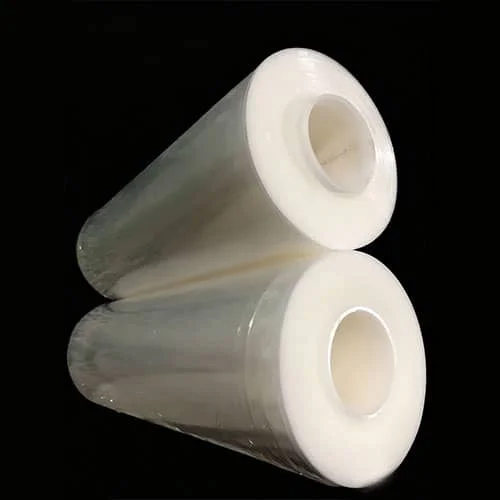
Cast stretch film is manufactured using a process known as cast extrusion.
During production, melted plastic resin is extruded through a flat die. The film is then rapidly cooled on chilled rollers before being wound into rolls. This fast cooling process creates a smooth, consistent film with excellent clarity.
Cast stretch film is widely used for general-purpose pallet wrapping, warehouse operations, logistics, food and beverage distribution, retail packaging, and high-volume applications.
It is commonly available as hand stretch film and machine stretch film.
Main Advantages of Cast Stretch Film
Cast stretch film typically offers:
Excellent transparency
Smooth and consistent thickness
Quiet unwind
Easy application
Good stretchability
Reliable cling
Cost-effective performance for many standard loads
Its clarity is one of its most important advantages. When products, labels, or barcodes need to remain visible after wrapping, cast stretch film is often the preferred option.
Cast film also unwinds quietly, making it suitable for busy warehouses and indoor packaging operations. Employees can wrap pallets with less noise, which can improve the working environment.
Because cast stretch film is generally easy to stretch, it can also provide good film yield. In many standard applications, users can wrap more pallets while controlling material consumption.
Potential Limitations of Cast Stretch Film
Cast stretch film is versatile, but it may not provide the same puncture resistance or load retention as blown stretch film in demanding applications.
When wrapping products with sharp corners, protruding edges, or highly irregular shapes, standard cast stretch film may be more likely to tear or puncture. It may also provide less recovery after stretching because its film memory is usually lower than that of blown stretch film.
For uniform pallet loads and everyday warehouse packaging, cast stretch film is often an efficient solution. For difficult loads, a stronger film specification or blown stretch film may be more suitable.
Blown Stretch Film vs. Cast Stretch Film: Key Differences
The following table provides a quick comparison.
| Feature | Blown Stretch Film | Cast Stretch Film |
| Manufacturing process | Extruded through a circular die and inflated into a bubble | Extruded through a flat die and cooled on chilled rollers |
| Transparency | Usually lower clarity with a slightly hazy appearance | High clarity and smooth appearance |
| Puncture resistance | Generally higher | Suitable for standard loads but usually lower than blown film |
| Tear resistance | Strong resistance to tearing | Reliable for general applications |
| Film memory | Higher recovery after stretching | Lower recovery after stretching |
| Load retention | Well suited to heavy or unstable loads | Suitable for stable, uniform loads |
| Unwind noise | Usually louder | Quiet unwind |
| Stretchability | Strong holding force with controlled stretch | Easy to stretch and apply |
| Thickness consistency | Can vary depending on the specification and process | Typically smooth and consistent |
| Cost | May be higher due to the production process | Often more economical for standard applications |
| Common applications | Heavy goods, irregular loads, sharp edges, demanding shipping conditions | General pallet wrapping, warehousing, retail, logistics, and high-volume packaging |
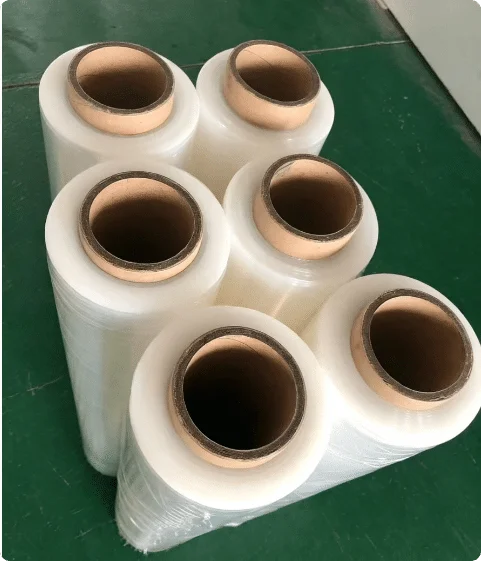
Which Stretch Film Should You Choose?
There is no single stretch film that is best for every packaging operation. The right option depends on your products, pallet configuration, wrapping equipment, transportation conditions, and budget.
Choose Blown Stretch Film When:
Blown stretch film may be the better choice when your pallets contain products with sharp edges or irregular shapes.
For example, blown film can be suitable for packaging:
Metal parts
Machinery components
Construction materials
Timber products
Heavy cartons
Industrial equipment
Products with corners or protruding edges
Loads that may shift during long-distance shipping
The additional puncture resistance and film memory can help reduce the risk of damage during transportation.
Choose Cast Stretch Film When:
Cast stretch film may be the better choice when your pallet loads are regular, stable, and easy to wrap.
For example, cast film can be suitable for:
Boxes stacked evenly on pallets
Warehouse inventory
Food and beverage cartons
Retail products
E-commerce distribution
Consumer goods
High-volume wrapping operations
Applications that require visible labels or barcodes
Its clarity, quiet unwind, and ease of use make it a practical option for many everyday packaging requirements.
Is Blown Stretch Film Stronger Than Cast Stretch Film?
In many comparable specifications, blown stretch film provides higher puncture resistance and better load retention. This makes it suitable for challenging loads and demanding shipping conditions.
However, film performance should not be judged only by the production method.
The film thickness, resin formulation, number of layers, stretch ratio, cling level, pallet weight, load shape, wrapping pattern, and application method can all affect the final result.
A high-quality cast stretch film may perform better than a low-quality blown film in certain applications. It is important to match the film specification to the actual packaging requirement rather than choosing a product based only on its category.
Is Cast Stretch Film More Cost-Effective?
Cast stretch film is often a cost-effective option for standard pallet wrapping.
Its production process is efficient, and the film can offer excellent consistency, quiet application, and good stretchability. For stable loads without sharp corners, cast film may help businesses control packaging costs while maintaining reliable load protection.
However, the lowest roll price is not always the lowest total packaging cost.
If a film tears frequently, requires additional layers, causes product damage, or fails during transportation, the real cost can become much higher. The best solution is a film that provides the required protection while minimizing unnecessary material use.
Hand Stretch Film or Machine Stretch Film?
After selecting blown film or cast film, buyers should also consider the application method.
Hand stretch film is designed for manual pallet wrapping. It is suitable for smaller warehouses, lower packaging volumes, and operations that require flexibility.
Machine stretch film is designed for use with pallet wrapping machines. It is suitable for higher-volume operations and businesses that want to improve wrapping consistency, efficiency, and material control.
Both blown and cast films may be available in different thicknesses, widths, roll lengths, colors, and performance grades.
Factors to Consider Before Ordering Stretch Film
Before purchasing stretch film, consider the following questions:
What is the weight of each pallet?
Are the products evenly stacked or irregularly shaped?
Do any products have sharp corners or protruding edges?
Will the pallets be stored indoors or outdoors?
Will the products be shipped over long distances?
Is barcode scanning through the film important?
Is a quiet warehouse environment a priority?
Will the film be applied manually or by machine?
What level of stretch and holding force is required?
Is the main priority durability, clarity, efficiency, or cost control?
Answering these questions can make it easier to identify the most suitable stretch wrap.
F A Q
What is the biggest difference between blown stretch film and cast stretch film?
The biggest difference is the production process. Blown film is inflated into a bubble and cooled gradually, while cast film is extruded through a flat die and cooled rapidly on rollers. This affects the film’s strength, clarity, puncture resistance, unwind noise, and stretch behavior.
Which film is better for sharp-edged products?
Blown stretch film is generally a better choice for sharp-edged or irregular loads because it usually provides higher puncture and tear resistance.
Which film is better when labels need to remain visible?
Cast stretch film is often the preferred choice because it has excellent transparency. Labels, barcodes, and product information can usually be seen more clearly through the wrap.
Which stretch film is quieter to use?
Cast stretch film normally provides a quieter unwind. This makes it suitable for indoor warehouse operations and environments where noise control is important.
Can cast stretch film be used for machine wrapping?
Yes. Cast stretch film is commonly used with pallet wrapping machines, especially for regular pallet loads and high-volume packaging operations.
Blown stretch film and cast stretch film both provide effective packaging solutions, but they are designed for different priorities.
Blown stretch film is a strong option when puncture resistance, tear resistance, load retention, and durability are essential. It is especially useful for heavy, irregular, or sharp-edged loads.
Cast stretch film is a practical choice when clarity, quiet unwind, smooth application, consistent thickness, and cost efficiency are important. It is widely used for standard pallet wrapping, warehousing, logistics, and high-volume packaging.
At Foshan JYE Packaging Materials Co., Ltd
When selecting stretch wrap, do not focus only on the price per roll. Consider the load type, wrapping method, shipping conditions, and required performance. A suitable film can help your business achieve better packaging results and more efficient operations.
Contact Foshan JYE Packaging Materials Co., Ltd. to learn more about stretch film solutions for your packaging requirements.