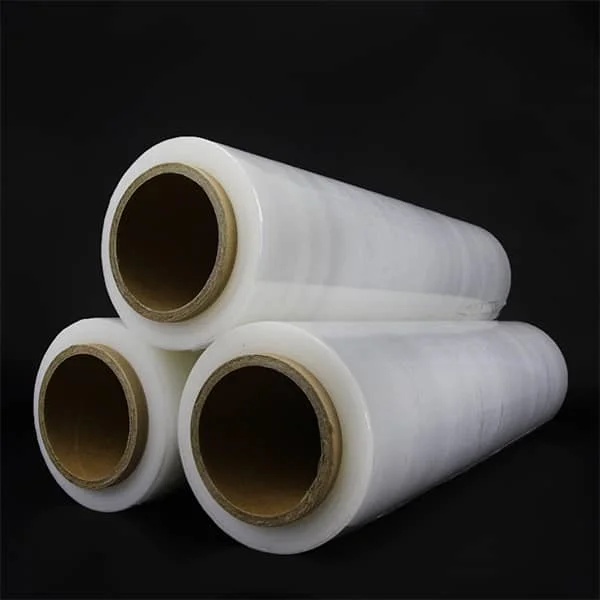

Stretch Film Thickness: 7 Practical Tips to Choose the Right Film
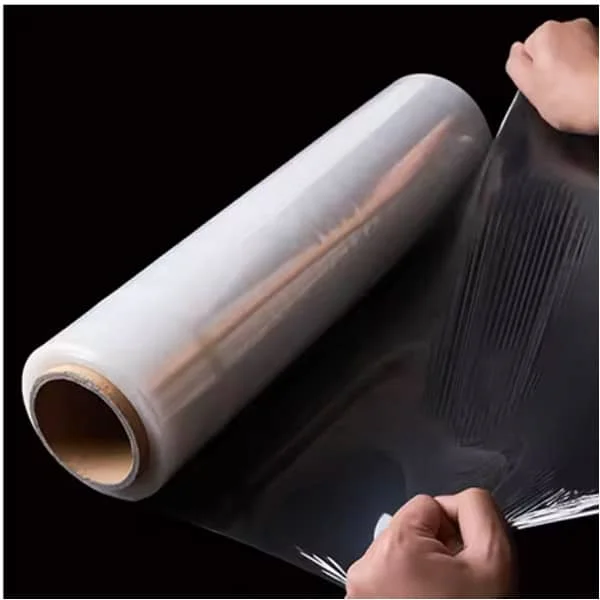
Choosing the right stretch film thickness is one of the most important decisions in pallet packaging. It affects load stability, product protection, shipping safety, packaging cost, and warehouse efficiency. Many buyers believe that thicker stretch film is always better, but this is not completely correct. In real packaging applications, the best stretch film is not always the thickest one. The best choice is the film that can safely secure your load while using the least amount of material.
Stretch film, also called stretch wrap or pallet wrap, is widely used in warehouses, logistics centers, factories, supermarkets, distribution centers, and export packaging. It is used to wrap cartons, boxes, bags, bottles, building materials, metal parts, furniture, and many other goods on pallets. Because different products have different weight, shape, surface, and transportation requirements, the thickness of stretch film should be selected carefully.
If you choose a stretch film that is too thin, the film may tear during wrapping, puncture at sharp corners, or fail to hold the load during transportation. This can lead to collapsed pallets, damaged goods, customer complaints, and additional labor costs. If you choose a stretch film that is too thick, you may waste material and increase packaging costs without gaining real benefits. Therefore, understanding how to choose the correct stretch film thickness is essential for any business that uses pallet wrapping regularly.
What Is Stretch Film Thickness?
Stretch film thickness refers to the thickness of the plastic film. It is usually measured in microns, gauge, or mils. Different countries and industries may use different units. In many international markets, micron is the most common unit. In the United States, gauge and mil are also widely used.
For example, 80 gauge stretch film is approximately equal to 20 microns or 0.8 mil. A higher number usually means a thicker film. Common stretch film thickness options include 12 micron, 15 micron, 17 micron, 20 micron, 23 micron, 25 micron, and 30 micron.
However, thickness is only one part of stretch film performance. Two films with the same thickness may have very different strength, stretchability, puncture resistance, cling, and load holding force. This depends on the raw material, film structure, production technology, and quality control. A high-performance thinner film may sometimes perform better than a low-quality thicker film. That is why buyers should not judge stretch film only by thickness.
Why Stretch Film Thickness Matters
The main function of stretch film is to keep products stable on the pallet. During storage, handling, loading, unloading, and transportation, pallets are exposed to vibration, movement, compression, and impact. If the film does not provide enough holding force, the load may shift or collapse.
The right thickness helps protect goods from dust, moisture, dirt, and minor scratches. It also helps reduce product loss during transportation. For export packaging or long-distance shipping, proper stretch film thickness is even more important because the pallet may pass through many handling stages before reaching the final destination.
Stretch film thickness also affects cost. Packaging cost is not only the price per roll. It also includes film consumption per pallet, labor time, machine efficiency, rewrapping cost, damage rate, and waste disposal. A cheap thin film may become expensive if it breaks frequently or requires many layers. A thick film may also be expensive if your load does not actually need it. The correct goal is to find the most cost-effective thickness for your specific application.
Main Factors to Consider When Choosing Stretch Film Thickness
Before choosing stretch film thickness, you need to understand your real packaging conditions. The following factors are more important than simply choosing the cheapest or thickest roll.
1. Load Weight
Load weight is one of the first factors to consider. Lightweight goods do not require the same film thickness as heavy industrial products. If you are wrapping light cartons, tissues, plastic products, or small consumer goods, a thinner film may be enough. If you are wrapping heavy boxes, metal parts, machinery components, tiles, bricks, or bottled beverages, you need a stronger film.
As a basic rule, heavier loads require stronger stretch film. But this does not mean you should automatically choose the thickest film. You should also consider film quality, wrapping method, number of layers, and pallet stability.
2. Load Shape
A neat and regular pallet is easier to wrap. If all cartons are the same size and stacked evenly, the film can hold the load more efficiently. In this case, a medium or thinner film may work well.
Irregular loads are more difficult. If the pallet has uneven surfaces, protruding corners, sharp edges, or unstable stacking, the film is more likely to be punctured or torn. For irregular loads, a thicker film or a high-puncture-resistant film is usually recommended.
3. Edge Sharpness
Sharp edges are one of the biggest reasons for stretch film failure. Cartons, wooden crates, metal products, plastic containers, and building materials may all have corners that can puncture the film. If your current film often breaks at the corners, the problem may be insufficient puncture resistance.
In this case, you can choose a thicker film, use corner protectors, improve pallet stacking, or choose a high-performance stretch film with better puncture resistance. Increasing thickness is only one solution. Sometimes improving the wrapping method is more effective.
4. Transportation Distance
If the pallet only moves inside a warehouse, the requirements are usually lower. If the pallet needs to travel across cities, countries, or overseas, the film must provide stronger and longer-lasting load stability. Long-distance transportation involves vibration, braking, turning, stacking pressure, and repeated handling.
For export packaging, logistics transportation, or container shipping, it is usually safer to choose medium to heavy-duty stretch film. The film should maintain tension and prevent load movement throughout the journey.
5. Wrapping Method
Stretch film can be applied by hand or by machine. Hand stretch film is used manually by workers. Machine stretch film is applied by pallet wrapping machines.
Hand wrapping is less consistent because the tension depends on the worker’s strength and technique. If the film is too thick or difficult to stretch, workers may not apply enough tension. This can reduce load stability. For manual wrapping, the film should be easy to stretch, comfortable to use, and suitable for the load weight.
Machine wrapping is more consistent. Machines can control pre-stretch, tension, overlap, and wrapping speed. A good machine stretch film can often achieve higher stretch levels and lower film consumption. For high-volume warehouses, machine wrapping can improve efficiency and reduce packaging cost per pallet.
6. Product Value and Fragility
If the products are valuable, fragile, or easy to damage, packaging protection becomes more important. For low-value and durable products, a standard film may be enough. For electronics, glass products, precision parts, export goods, or customer-facing retail products, stronger protection may be needed.
Do not only calculate the cost of the film. Also calculate the potential cost of damaged goods, replacement, return shipping, customer complaints, and brand damage.
Common Stretch Film Thickness and Applications
The following guide can help you choose a starting point. The final decision should still be based on real testing.
12 Micron to 15 Micron Stretch Film
This range is suitable for light-duty packaging. It is often used for lightweight cartons, small parcels, retail products, and stable pallets with smooth surfaces. It helps reduce material usage and packaging cost.
However, 12 to 15 micron film is not suitable for heavy loads, sharp edges, or rough transportation. If the load is unstable or irregular, this thickness may tear easily.
17 Micron Stretch Film
17 micron stretch film is suitable for light to medium-duty packaging. It provides better strength than very thin film while still keeping cost under control. It can be used for general warehouse goods, cartons, plastic products, and daily logistics packaging.
This thickness is a practical option for businesses that want a balance between economy and performance. But for heavy pallets or long-distance shipping, it may not always be enough.
20 Micron Stretch Film
20 micron stretch film is one of the most common choices for general pallet wrapping. It is widely used in warehouses, factories, distribution centers, and logistics companies. It offers a good balance of strength, stretchability, puncture resistance, and cost.
If you are not sure which thickness to choose, 20 micron is often a reasonable starting point for testing. It works well for many medium-duty applications.
If you are choosing film for manual wrapping, you can compare our hand stretch film options for light and medium-duty packaging.
23 Micron Stretch Film
23 micron stretch film is suitable for heavier loads, sharper edges, and more demanding transportation conditions. It provides better puncture resistance and stronger load holding force than thinner films.
This thickness is commonly used for export packaging, industrial goods, beverage pallets, heavier cartons, and irregular loads. If your current film breaks too often, 23 micron film may be a better option.
25 Micron Stretch Film and Above
25 micron or thicker stretch film is used for heavy-duty applications. It is suitable for heavy industrial goods, construction materials, metal products, rough handling, and difficult pallet loads, the stretch film thickness.
However, this type of film costs more and uses more plastic. It should be selected when the load truly requires heavy-duty protection. For standard cartons or light products, it may be unnecessary.
Is Thicker Stretch Film Always Better?
No. This is a common mistake in packaging procurement.
Thicker stretch film may provide better strength, but it also increases cost and material usage. In some cases, a thinner high-quality film can perform better than a thicker low-quality film. Film performance depends on tensile strength, elongation, puncture resistance, cling, recovery force, and load retention with the stretch film thickness.
A poorly wrapped pallet with thick film may still fail. A properly wrapped pallet with the right film can be more stable and cost-effective. Before increasing film thickness, check your wrapping process. Make sure the film is applied with proper tension, sufficient overlap, and enough layers at the bottom of the pallet.
How to Test the Best Stretch Film Thickness
The best way to choose stretch film thickness is to test it with your actual products. Do not rely only on theory or supplier charts.
First, select two or three thicknesses for comparison. For example, if you currently use 23 micron film, test whether 20 micron high-performance film can achieve the same result. If you currently use 17 micron film and experience frequent tearing, test 20 micron or 23 micron film.
Second, test the film during real wrapping. Check whether the film breaks, whether workers can apply it easily, whether the film sticks properly, and whether it holds the pallet tightly.
Third, test the pallet after handling and transportation. Move the pallet with a forklift, place it in storage, and observe whether the load shifts. If possible, test it during actual shipping.
Fourth, calculate cost per pallet. This is more accurate than comparing price per roll. A film with a higher roll price may still be cheaper if it uses fewer layers, breaks less often, and reduces product damage.
For general information about plastic packaging materials and pallet wrapping, you can also refer to recognized packaging and material standards resources.
Practical Selection Guide
For light and smooth products, choose 12 to 15 micron stretch film.
For light to medium warehouse goods, choose 17 micron stretch film.
For general pallet wrapping and medium loads, choose 20 micron stretch film.
For heavier cartons, export packaging, and irregular loads, choose 23 micron stretch film.
For heavy-duty industrial products, sharp edges, and rough transportation, choose 25 micron or thicker stretch film.
This guide is not fixed. The correct thickness depends on your real packaging environment.
Common Mistakes to Avoid
The first mistake is buying only based on price. A low-price stretch film may have poor strength, weak cling, unstable thickness, and frequent breakage. This can increase total cost.
The second mistake is using the same film for all products. Different loads need different packaging solutions. A warehouse that handles both light cartons and heavy goods should not use one thickness for everything.
The third mistake is assuming that thicker film always means better protection. Over-packaging wastes money and increases plastic consumption.
The fourth mistake is ignoring wrapping technique. Even the best film cannot fully solve poor pallet stacking or incorrect wrapping.
The fifth mistake is not testing before bulk purchasing. Always test stretch film with real products before making a large order.
Final Thoughts
Choosing the right stretch film thickness is about balance. You need enough strength to protect the load, but you should avoid unnecessary material waste. The best stretch film thickness depends on load weight, pallet shape, edge sharpness, transportation distance, wrapping method, and product value.
For most standard packaging needs, 17 to 23 micron stretch film can cover many applications. Light loads may use thinner film, while heavy or irregular loads may need thicker film. For demanding industrial packaging, 25 micron or above may be required.
The most important principle is simple: choose the thinnest stretch film that can safely and consistently secure your load. This approach helps reduce packaging costs, improve warehouse efficiency, protect goods during transportation, and create a more sustainable packaging system.
If you are looking for stretch film for pallet wrapping, warehouse packaging, logistics transportation, or export shipping, do not choose thickness blindly. Evaluate your load, test different options, compare real cost per pallet, and select the film that gives you the best balance of performance and value.